
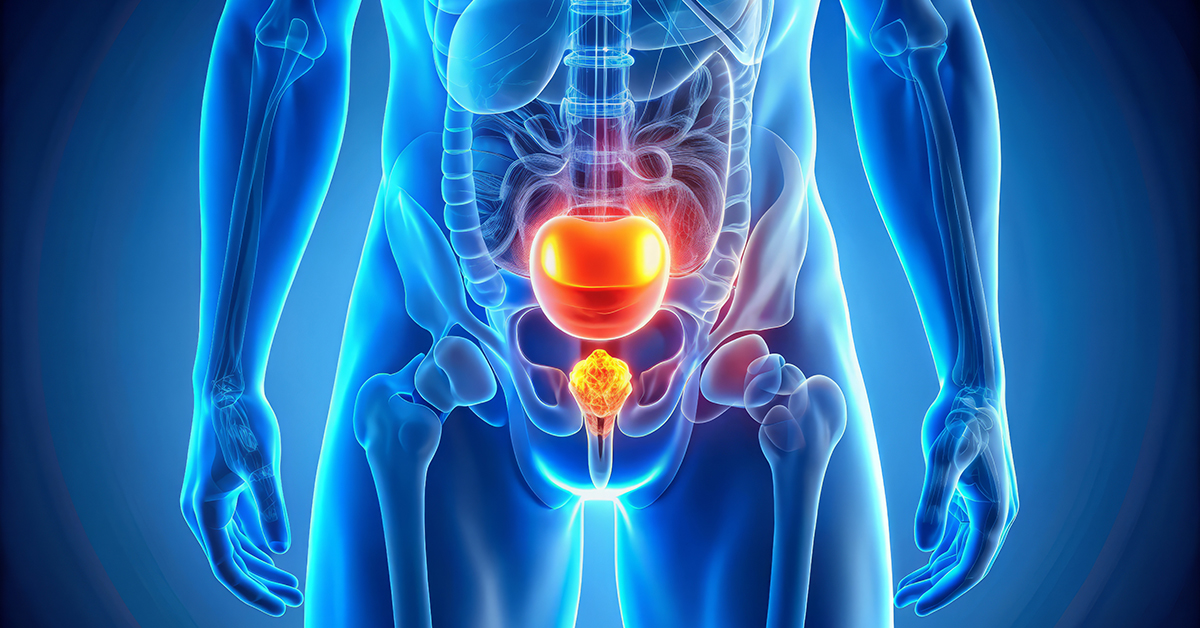
The prevalence of prostate-related issues is much higher than most men would want to acknowledge. Although terms like “benign prostatic hyperplasia” (BPH), “prostate enlargement,” “urinary hesitancy,” and “incomplete bladder emptying” may seem clinical, many people deal with these issues daily in silence. These problems are frequently accompanied by fatigue, sometimes because the body is exerting more effort than it should, and other times because overnight urine disturbs sleep.
Traditional approaches may include medications to relax muscles of the bladder and prostate, prescriptions to shrink enlarged tissue, or, in more advanced cases, surgical procedures. While these methods can be effective, many individuals seek complementary options, gentler modalities that may support wellness without added pharmaceutical load.
This is where Equiscope protocols may offer a supportive benefit. The modality uses microcurrent technology that can help normalize electrical balance in tissues and may encourage healthier cellular environments. While not a replacement for medical care, it can work alongside traditional methods to promote comfort, energy, and overall well-being.
This is the case of a man whose main worries were not pain but rather fatigue and trouble urinating, two symptoms that subtly disrupted his life more often than he was aware.
When Fatigue Speaks Louder Than Pain
He arrived with no musculoskeletal complaints, yet something was undeniably off.
During his initial visit, he disclosed, “I have no pain, just this prostate issue and difficulty with urination at times.” “I want to go to bed because I’m also exhausted.”
His coloring appeared pale, his posture subdued. Exhaustion had gradually taken hold, and he found himself sleeping late into the afternoon. His urinary flow was inconsistent, and he felt frustrated by the lingering sensation of not fully emptying his bladder.
He was looking for something that may help him feel like himself again, something noninvasive, supportive, and aligned with a holistic approach.
Session One: A Subtle Spark of Change
His initial protocol centered on the prostate and bladder pathways. Cylinders were placed at the perineum and held in the hand, with foot plates gently delivering microcurrents through the lower body. These carefully chosen placements may help encourage pelvic balance and support improved signaling through the tissues that influence urination.
In order to increase the efficacy of the modality, electrolyte-based hydration was emphasized both before and after.
Small but significant changes emerged almost quickly after:
- He urinated more easily.
- His face showed a healthier color.
- He reported noticeably more energy.
- The heaviness he carried seemed to soften.
It wasn’t dramatic, but it was undeniable; a quiet awakening.
Session Two: Building Momentum
His voice carried a fresh message when he came back for his second visit: certainty.
“I felt that I had more energy and was voiding better after the last session. I felt so much better.”
The session again prioritized bladder and prostate pathways using selected cylinder and plate placements. He tolerated the session comfortably. His coloring improved yet again, and his overall presence felt brighter.
He also used sea salt and electrolytes to boost his system and was more conscious of staying hydrated, which were minor adjustments that could provide a significant basis for improvement.
Session Three: Reclaiming Rhythm
He clarified that while exhaustion persisted after the third visit, it was no longer crippling.
“I’ve just been really tired. I sleep a lot and go to bed late. I don’t have any pain or other symptoms.”
His energy reserves were obviously being impacted by his lifestyle choices. He spent little time outside and frequently slept until the middle of the afternoon, which led to a cycle of low energy. This session focused on detox and grounding pathways using cylinders on the perineum, hand, and foot plates.
Afterward:
- He felt more energized.
- He became more talkative.
- He chose to step outside and move around, a shift that had not happened in weeks.
- He reported no adverse effects.
He and his practitioner discussed good sleep habits, staying hydrated, and reestablishing important daily routines, all of which have a significant impact on prostate health and general vigor.
Session Four: Strength Returning, On and Off the Course
When he arrived at his next session, there was a newfound lift in his demeanor.
“I have more energy, and my urination has improved. I’m peeing more and emptying better. I’m trying to stay hydrated. I feel better energy-wise to golf.”
This was a big change for someone who had been too exhausted to appreciate the things he loved to do.
Cylinders and bladder-region plates with bipolar settings were once more used in this approach. He stayed well-hydrated with electrolytes and completed the session with ease.
Following his visit:
- His energy noticeably increased.
- He reported zero discomfort.
- He headed out to play golf, something he hadn’t felt up for in quite some time.
His improvement was not the result of a single dramatic moment but rather a steady, consistent climb back to balance.
A Gentle Modality Supporting a Quiet Transformation
Across these sessions, he experienced steady changes that may signify the body responding to improved electrical balance and hydration:
- Easier urination
- Improved bladder emptying
- Increased energy
- Healthier facial coloring
- Better engagement with daily activities
- A renewed sense of motivation
Although each person’s journey is different, his experience shows how noninvasive, supportive techniques like Equiscope protocols can enhance vitality and supplement conventional prostate care.
Disclaimer: The cases presented by various Equiscope Practices have not been evaluated by the FDA and are not intended to diagnose or treat any disease. Please consult your physician before making any healthcare decisions.